An ePaper display (also referred to as electronic paper display) forms images using charged pigment particles moved by electric fields, viewed purely via reflected ambient light. It has no backlight and no liquid crystal layer. Visually, it behaves much like physical paper: higher ambient brightness delivers better readability, without glare.
Reflective: Contrast relies on surrounding light; direct sunlight improves visibility instead of washing out the screen.
Bistable: The image stays stable with zero power consumption. Power is only consumed when refreshing content.
Slow refresh by design: Full refresh typically ranges from a few seconds up to around 20 seconds. It works perfectly for static information such as price tags, but it is not suitable for video playback.
Eye-friendly static view: Flicker-free and low blue light when the image remains unchanged.
E Ink display and electronic ink display are widely used as synonyms. Strictly, E Ink supplies the ink film inside most ePaper panels; an electronic ink display is one implementation of the category.
How E-Paper Technology Works
The frontplane is a film of millions of microcapsules, each about the diameter of a human hair and filled with clear fluid. Inside sit black and white particles carrying opposite charges. Apply a voltage and they migrate: white particles rise to the viewing surface and the pixel looks white, black particles rise and it looks black. Remove the voltage and they stay put. That is bistability.
Each e-ink display module pairs that panel with a driver IC that stores image data in RAM and applies a driving waveform — a timed sequence of voltage pulses calibrated per temperature band and burned into OTP memory. The waveform decides how clean and how quick each transition looks, which is why identical specifications can still behave differently, and why choosing an epaper panel supplier is an engineering question, not just a price one.
The Main E-Paper Display Series at a Glance
Choosing between them is the first e-paper module decision most teams face.
Color depth is the core trade-off: 4-color and full-color panels cannot achieve the fast partial refresh speeds available on monochrome e-paper. Visit our FAQ page for details.
Where ePaper Displays Are Used
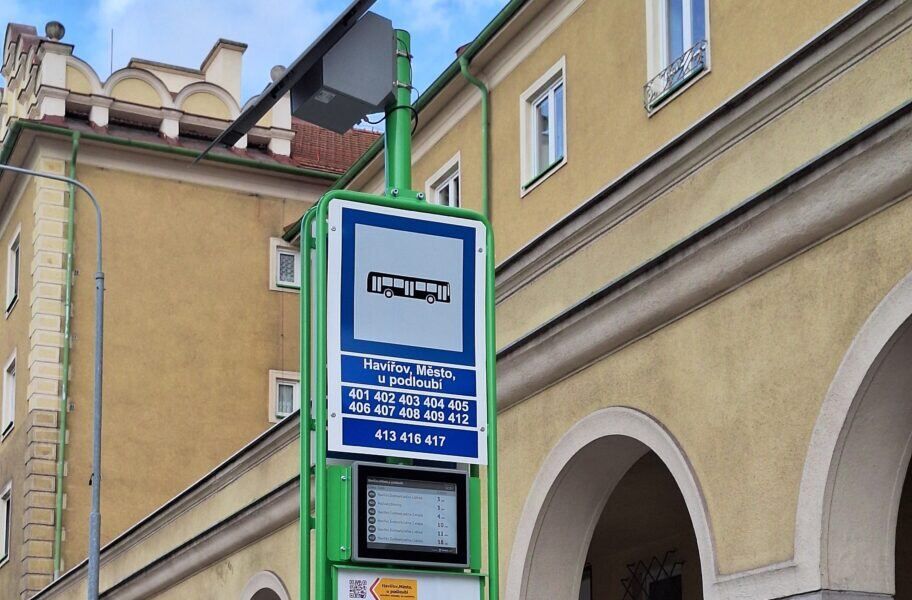
Digital shelf labels remain the highest-volume application, but e-paper is widely adopted for employee badges, desk nameplates, warehouse & cold-chain tags, e-readers, bus stop schedules, hospital bedside cards and outdoor static advertising. The large-format E Ink Marquee panel supports operation from −20 °C to 65 °C with a 5–7 second refresh and no active cooling, making big-size e-paper viable in scenarios where LCDs require complex thermal management. View more use cases: E-Paper Display Applications
E-Paper Display Module Selection: Where to Start
Four core questions guide most projects:
What size and resolution match your viewing distance?
Which color series fits your refresh speed requirements?
What temperature range must the waveform support?
Can the supplier satisfy MOQ, lead time and certification requirements before tooling?
Our dedicated buying guide will deep-dive each point later in this series. Meanwhile, our DKE E-Paper Demo Kits greatly shorten your PoC evaluation cycle.
Working With an ePaper Panel Supplier
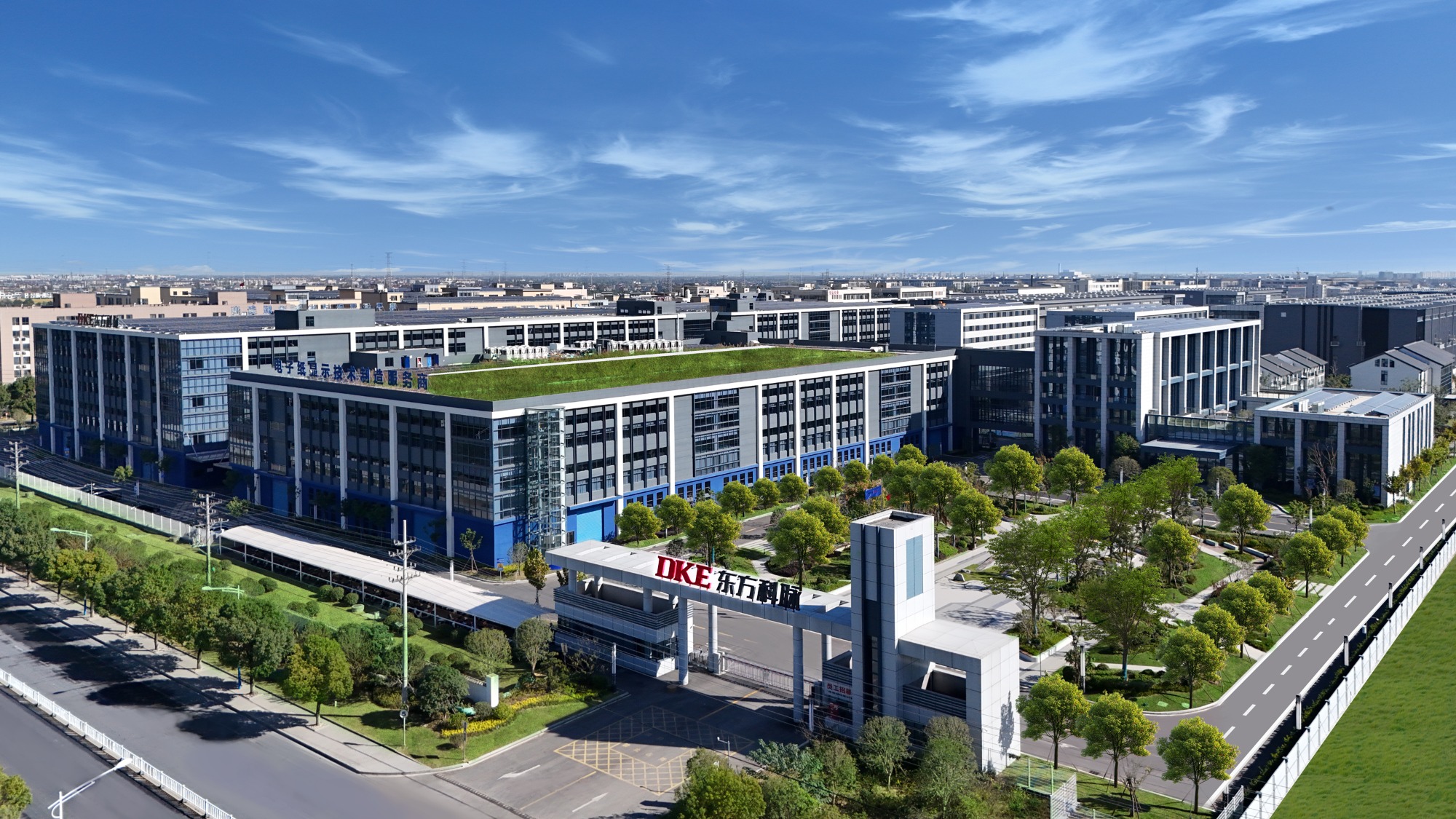
DKE has built ePaper modules since 2005, runs four production bases in Jiashan, Dalian and Vietnam, and has been an E Ink partner throughout, with waveform tuning and FPC assembly handled in-house. The DKE FLEX platform adds OTFT-driven flexible panels on plastic substrates, recognized with the Society for Information Display's Component of the Year award.
Contact DKE team with your target size, color, temperature range and project information. A quick specification review often saves more time than iterative sample testing.
Frequently Asked Questions
Does an ePaper display need constant power to hold an image? No. Pigment particles stay locked in position without voltage. A shelf label can retain one price for weeks powered by a single small battery.
Is ePaper the same as E Ink? E Ink is the leading manufacturer of e-paper ink film. ePaper is the overall display category. Most commercial e-paper modules use E Ink film, so the two terms are often used interchangeably.
Do color ePaper displays exist? Yes. 4-color panels add red/yellow accent colors to black & white, while E6 full-color panels deliver a six-color gamut. Both color options come with longer refresh times compared to monochrome screens.
Conclusion
An ePaper display offers a fundamentally different user experience: no glowing backlight, low power consumption, anti-glare reading — at the cost of slower content updates and limited color gamut. Lock down your size, color, refresh and temperature requirements early, and the rest of your hardware design will follow smoothly.